05 – 13 November 2022
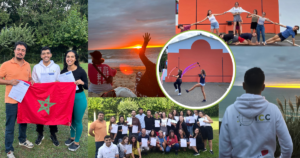
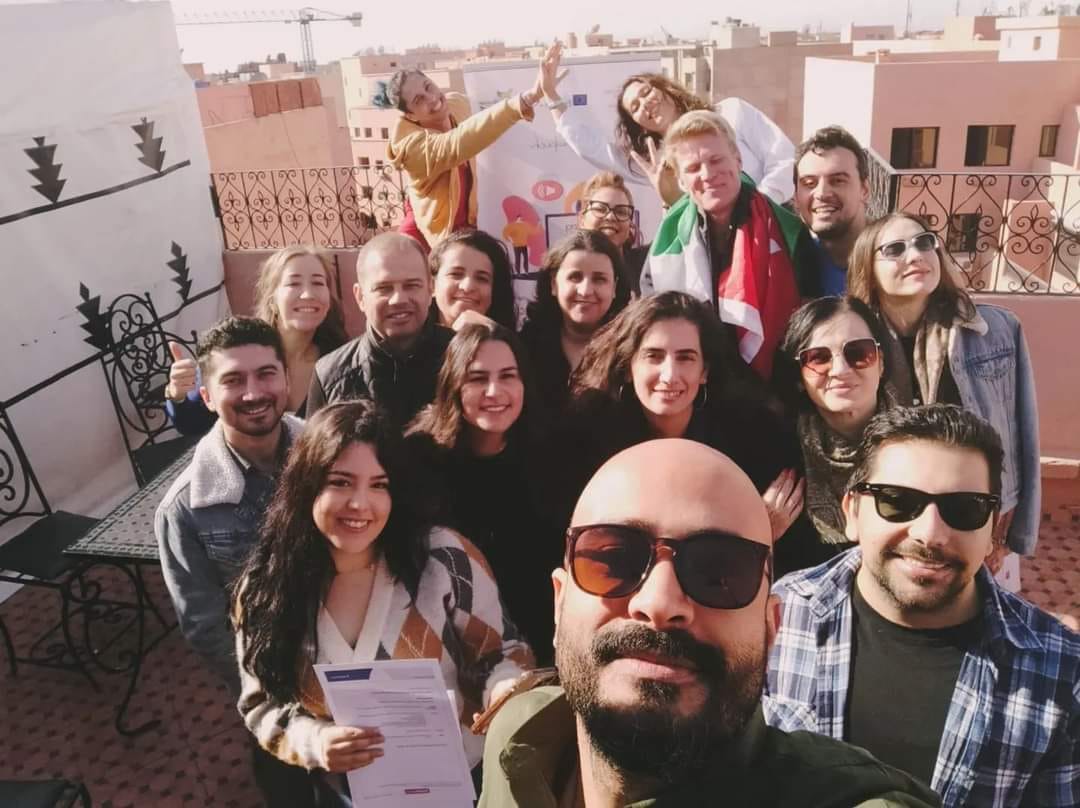
Our project brought together 26 socio-educational animators from 08 EuroMediterranean countries to develop their skills, find new approaches and methods to meet the challenges of working with members of ethnic minorities, migrants, and refugees. Looking closely at the then-current situation and writing the conclusions of our work, we saw a worrying trend of young people becoming more radical, hostile towards each other, and unwilling to interact with people from different cultural backgrounds.
The project aimed to introduce the concept of digital storytelling and explore the positive impact it could have when used as a method of working with young people at risk of social exclusion.
Digital storytelling was based on the assumption that each person had a unique story to tell and share with others. It was a modern extension of the art of storytelling, which had been an important part of social interactions since the very birth of mankind. However, in the modern world where people were always exposed to the flood of information, we tended to forget that reflecting on personal experiences and sharing them with others could be beneficial for personal development. Digital storytelling was the concept that combined two crucial aspects: the power to create personal stories and our modern need to “go digital”, giving people the chance to tell their stories in a creative way that involved the use of their skills. This was particularly important when analyzing statistics, which clearly indicated an unprecedented percentage of young people using digital tools on a daily basis.
Objectives:
- Raised awareness about combating racism, xenophobia, and discrimination and created a learning space through non-formal education, a space for open sharing, mixed cultures, and different backgrounds for young people thanks to innovative and creative tools.
- Used artistic, digital, and non-formal education and shared good practices as a tool to counter racism, xenophobia, and discrimination.
- Created an international platform for organizations to share their experiences and the use of art as a tool for combating and preventing racism.
- Better understood the opportunities of the Erasmus + program and of non-formal education to promote European values of tolerance, understanding, and respect for human rights.
- Actively addressed racial and ethnic stereotypes through media, education, culture, and sport.

Facebook video link:
https://www.facebook.com/100081679527394/videos/1124307318448456